
York Space Systems Unveils LX/V-CLASS VLEO Platform
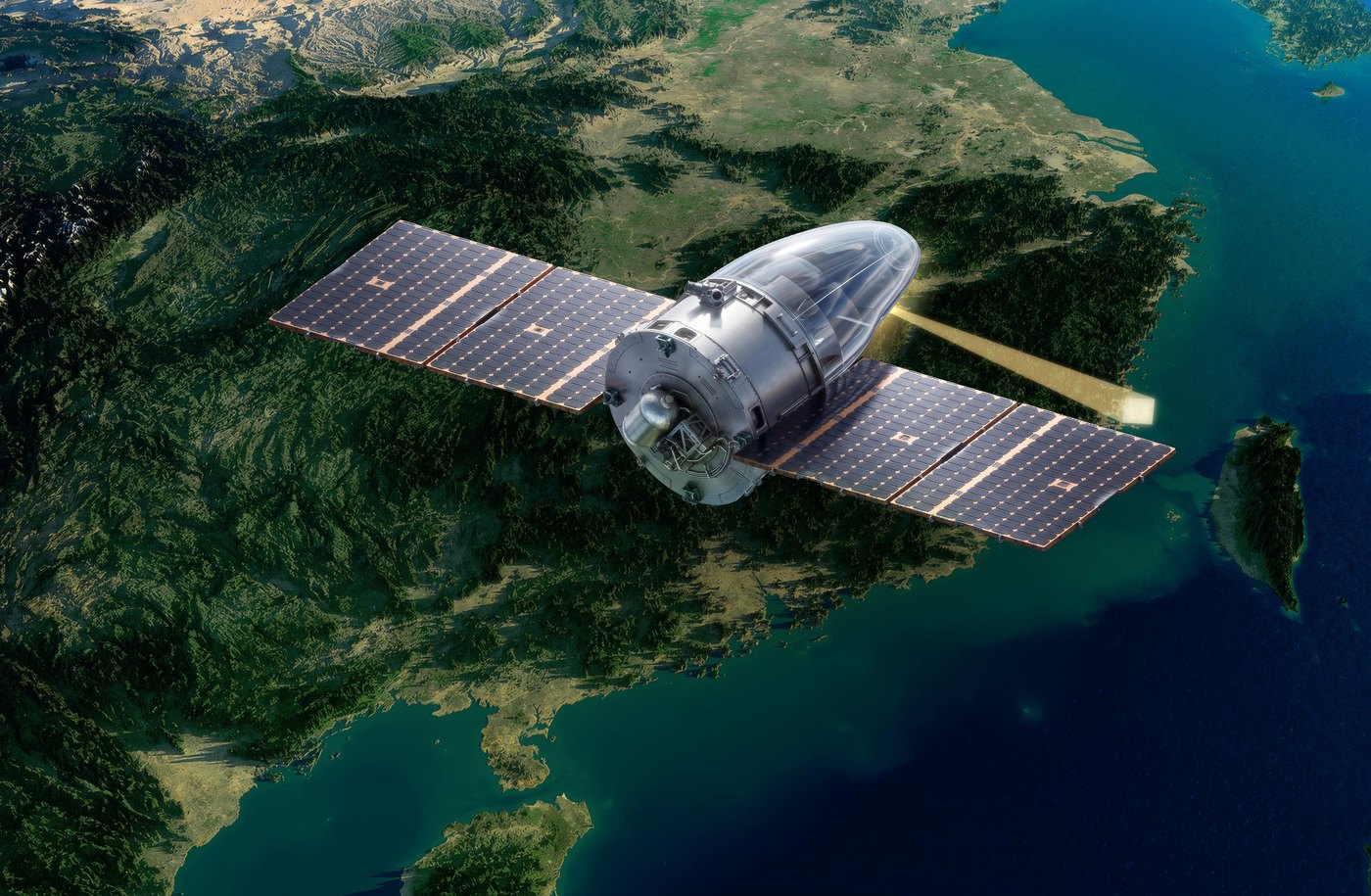
York Space Systems unveiled the LX/V-CLASS, a spacecraft platform purpose-built for very low Earth orbit at 200 to 300 km, targeting missile warning, tracking and moving-target indication. Built on York's S and LX class buses with drag-reducing modifications and Hall-effect thrusters running on stored xenon or krypton, the platform underscores accelerating demand for VLEO missile-defense systems, the market Vaxon Space is advancing with air-breathing electric propulsion that removes the onboard propellant limit.
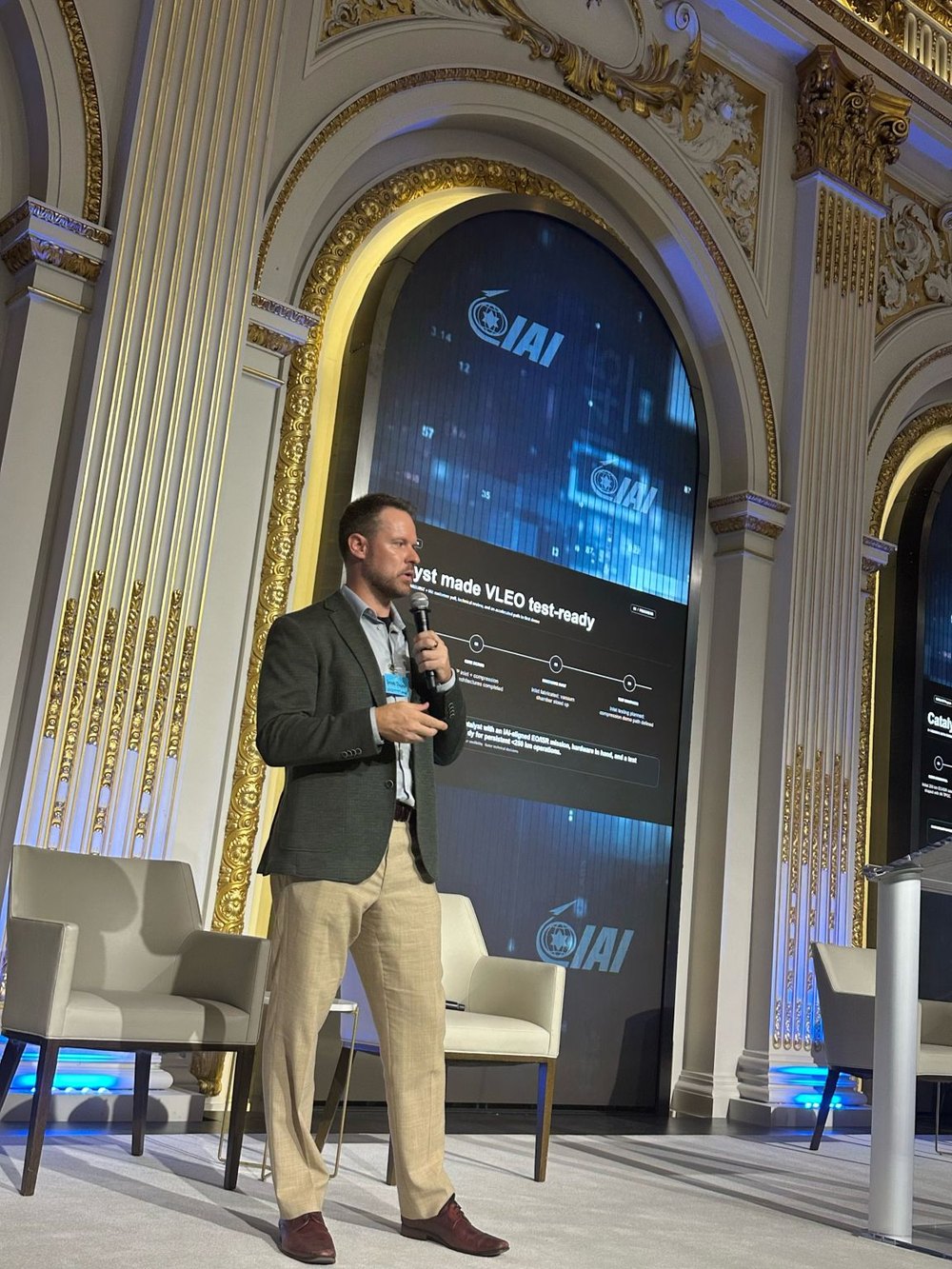
Dr. Shepard Presents at Starburst / IAI Demo Day
Vaxon Space CEO Dr. Steven P. Shepard presented at the Starburst and IAI (Israel Aerospace Industries) Demo Day, marking the culmination of the company's six-month cohort. He shared Vaxon's progress building and testing its proprietary air-breathing inlet and designing its VLEO satellite bus for missile defense, AI connectivity and enhanced ISR capabilities.
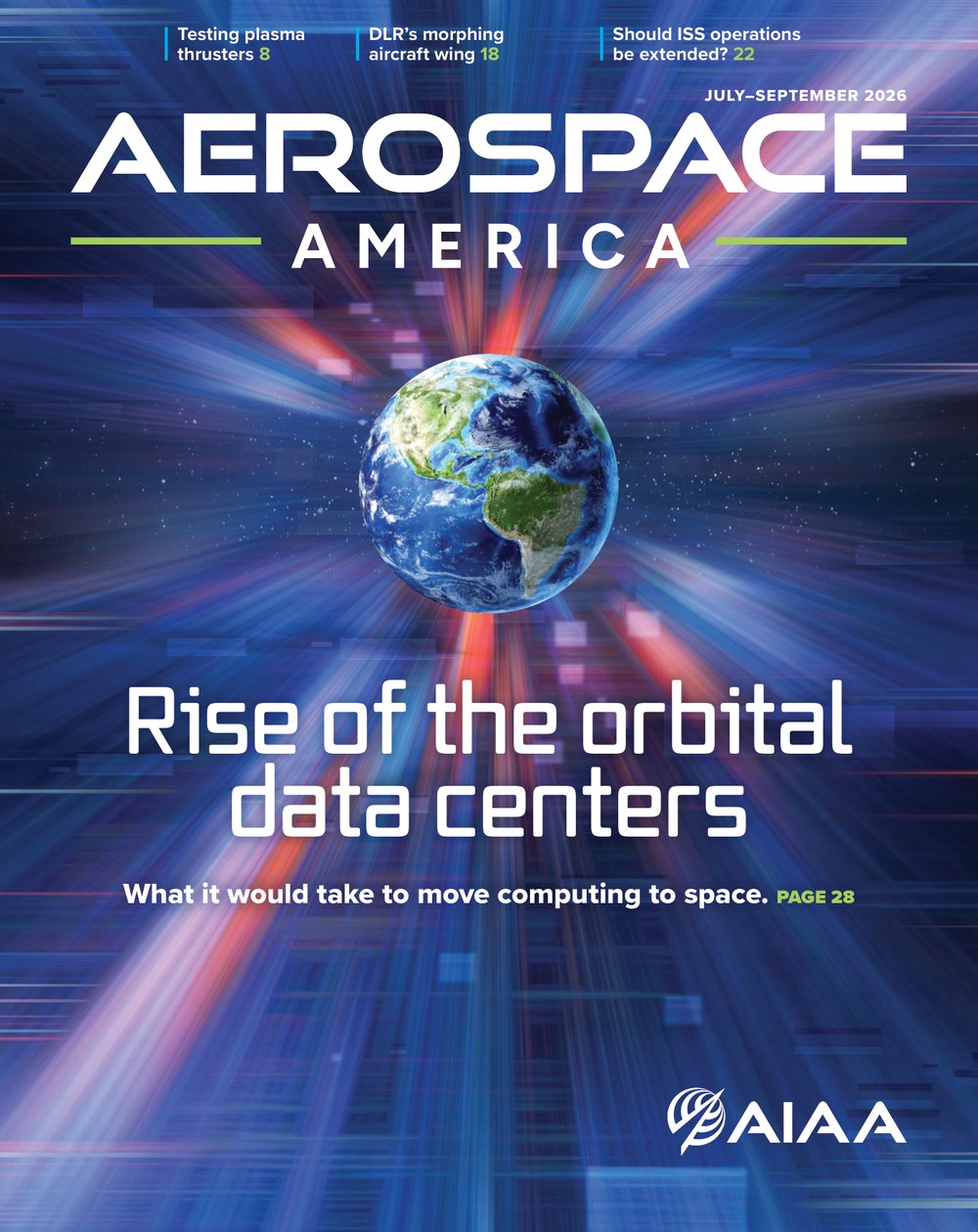
Aerospace America Charts the Rise of Orbital Data Centers
AIAA's Aerospace America devotes its July to September 2026 cover to the rise of orbital data centers and what it would take to move computing into space. The same issue reports on plasma thruster testing, the electric propulsion class at the core of Vaxon's air-breathing platform. As AI drives demand for power-rich, low-latency infrastructure in orbit, Vaxon's VLEO satellites are built for that future, pairing sustained operation in very low Earth orbit with the proximity that space-based compute and connectivity will depend on.
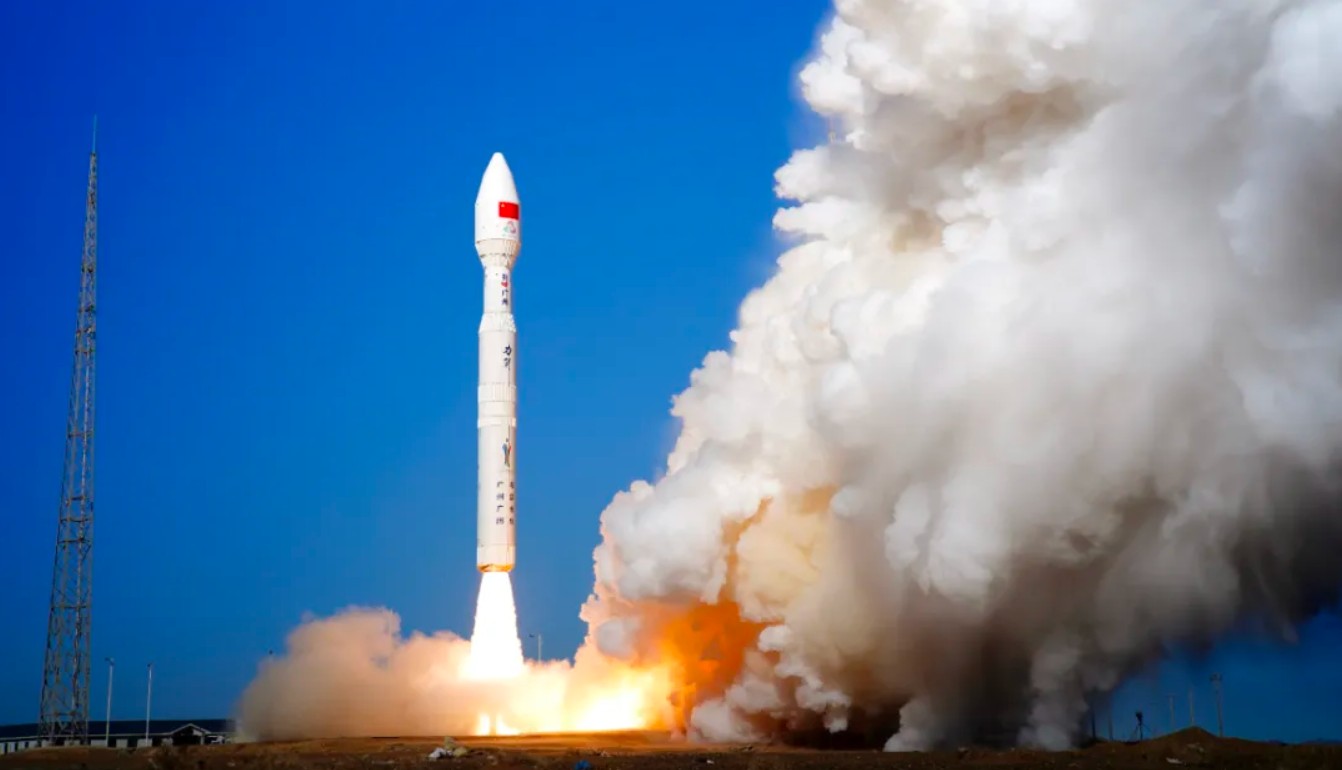
China Establishes VLEO Industry Alliance as Satellites Demonstrate Sustained Low-Orbit Operations
China has formed a national VLEO Technology Innovation and Industry Development Alliance of 34 member organizations, while satellites including Shiyan-25 and Qiankun-1 demonstrate sustained operations below 300 km. The move signals a shift from experimental missions to systematic programs, underscoring the strategic race in very low Earth orbit that Vaxon Space is advancing for US defense and commercial customers.
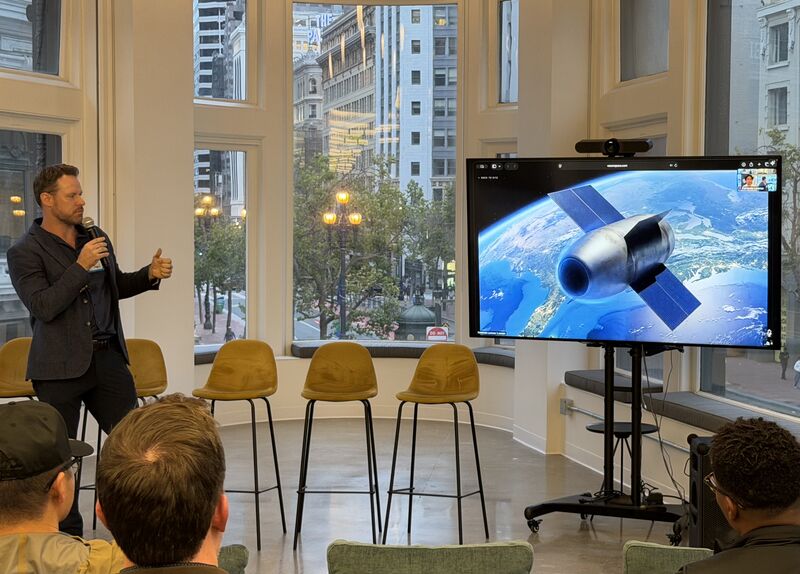
Dr. Shepard Presents Vaxon Space at Aexodus
Vaxon Space CEO Dr. Steven P. Shepard presented the company's air-breathing VLEO satellite program at Aexodus in San Francisco, sharing Vaxon's mission across missile defense, remote sensing and connectivity with the deep-tech and investor community.
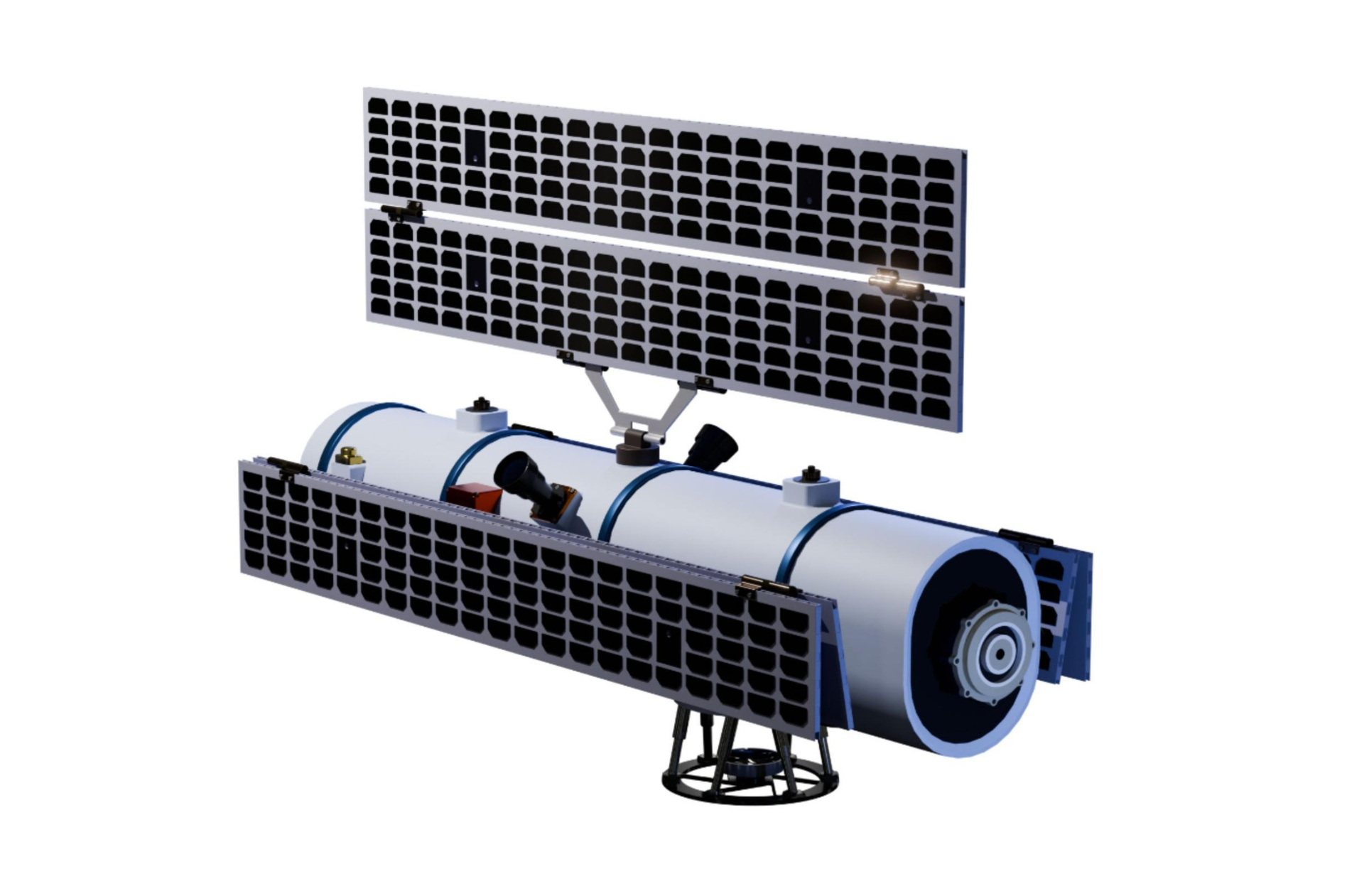
Bellatrix Aerospace to Build Korean VLEO Demonstration Satellite
India-based Bellatrix Aerospace was selected by Korean optical-payload maker TelePIX to build a very low Earth orbit demonstration satellite, supplying the bus and air-breathing electric propulsion while TelePIX provides its Chouette optical payload. Targeting operations between 180 and 230 km with a launch no earlier than 2028, the deal reflects accelerating global momentum behind ABEP, the same domain Vaxon Space is advancing for US defense and commercial customers.
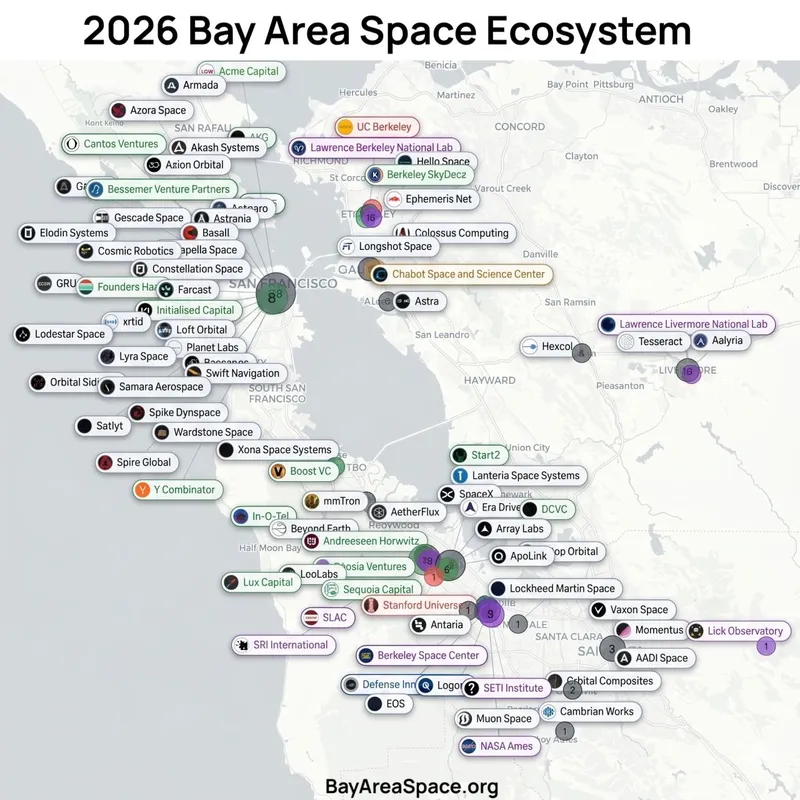
Bay Area Space Ecosystem Map Highlights Regional Growth
A new Bay Area Space Ecosystem map highlights the region's growing concentration of space startups, suppliers, investors, and research organizations. Vaxon Space is included among the companies contributing to this expanding ecosystem, reflecting continued momentum around next-generation satellite architectures, VLEO platforms, defense applications, connectivity, and commercial space infrastructure.
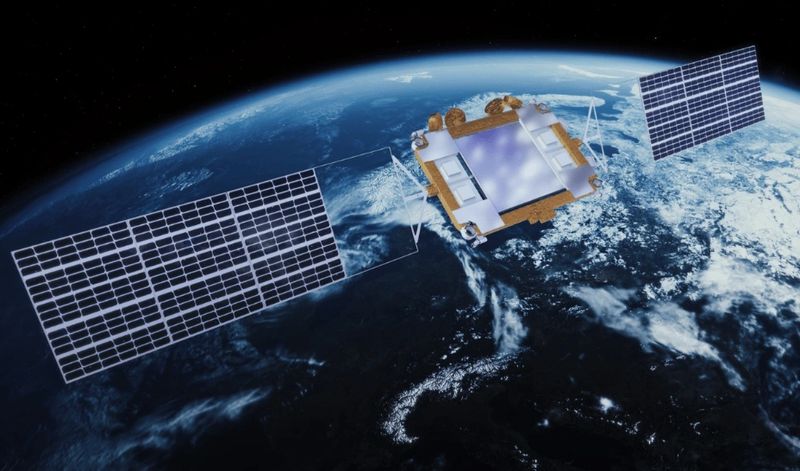
UNIVITY Raises €27M for VLEO 5G Connectivity
Paris-based UNIVITY secured Series A funding to advance VLEO 5G demonstration and commercial deployment by 2028, signaling strong investor confidence in the VLEO connectivity market that Vaxon is positioned to lead in the US defense and commercial sectors.
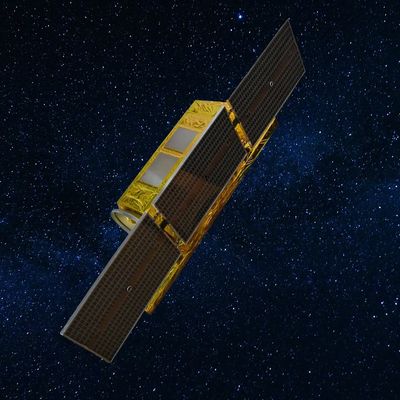
EDA Commits $17.9M to VLEO Military Research
The European Defence Agency launches a major initiative exploring VLEO for enhanced ISR and new mission architectures. The 36-month VLEO-DEF project, a consortium of 17 organizations led by Spain, validates the strategic importance of sub-200km satellite operations for modern defense applications worldwide.
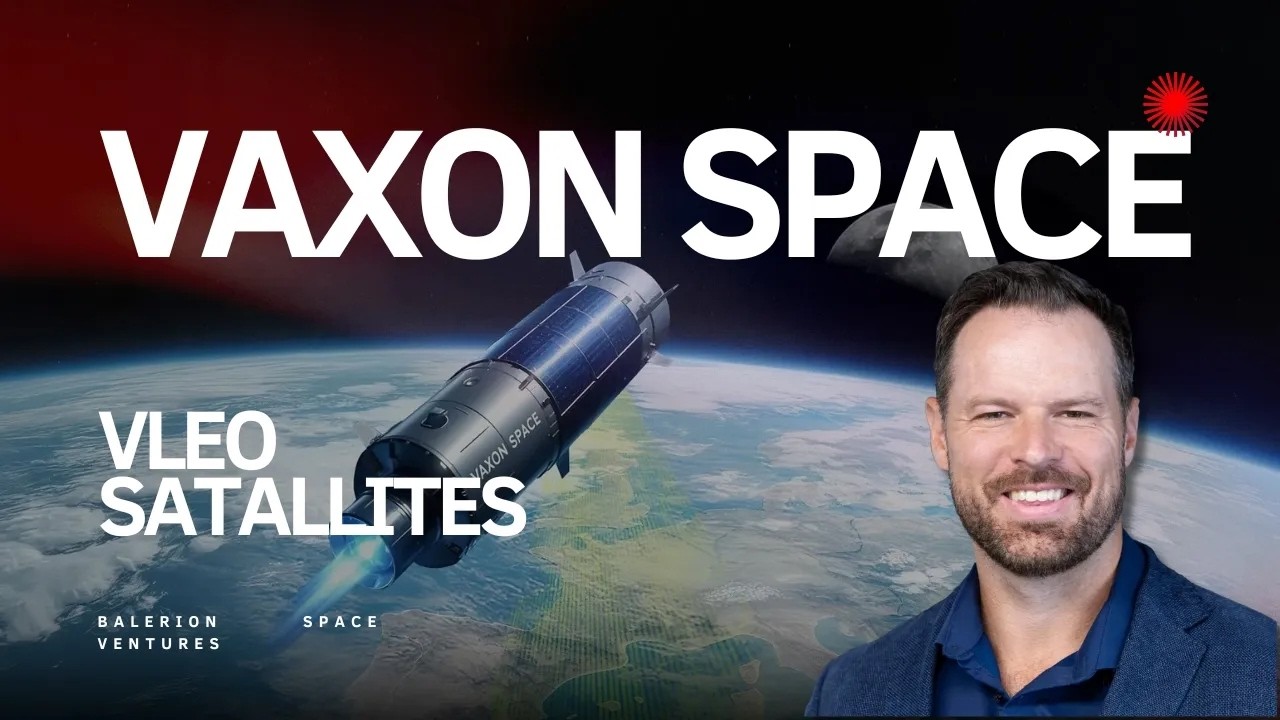
Why This Space Startup Flies Where Other Satellites Can't Survive
Vaxon Space CEO Dr. Steven P. Shepard has a conversation with Aidan Daoussis of Balerion Space Ventures, discussing the momentum behind very low Earth orbit (VLEO) satellites and the mission use cases being built at Vaxon Space. The discussion includes why VLEO is becoming such an important domain for the next generation of space infrastructure, including opportunities for enhanced ISR, missile defense sensing and new AI-enabled space capabilities.
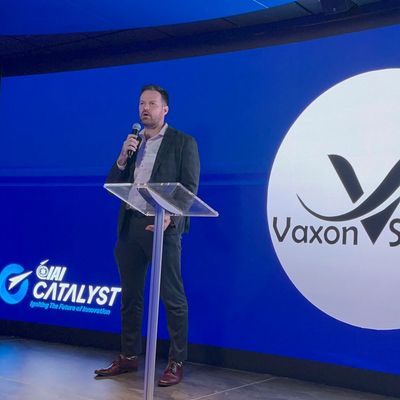
Vaxon Joins Starburst / IAI Cohort 4
Selected for the IAI Catalyst cohort focused on autonomous systems, advanced sensing, AI computing, and VLEO satellites. Vaxon joins a prestigious group of defense-focused startups advancing next-generation space capabilities for US and allied forces.
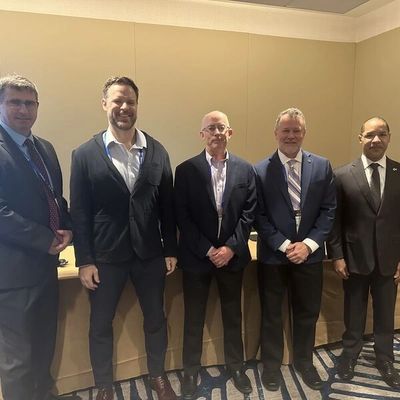
AIAA SciTech 2026 VLEO Panel
Dr. Shepard spoke on ABEP, emerging VLEO use cases, and growing alignment across academia, industry, and government. The panel highlighted the maturation of VLEO technology and its increasing relevance for both defense and commercial applications.
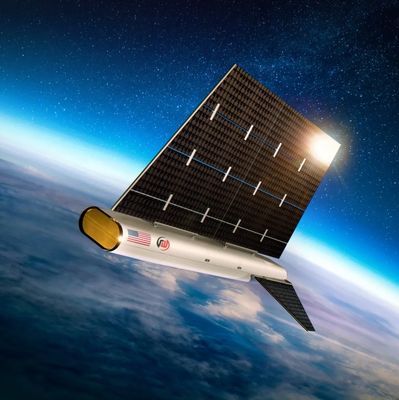
Redwire Awarded $44M DARPA ABEP Contract
Redwire receives a $44M Phase 2 DARPA contract under the Otter program for air-breathing satellite development, validating ABEP as a defense priority. This contract confirms the maturation of air-breathing electric propulsion technology that forms the technical foundation of Vaxon's propulsion system.
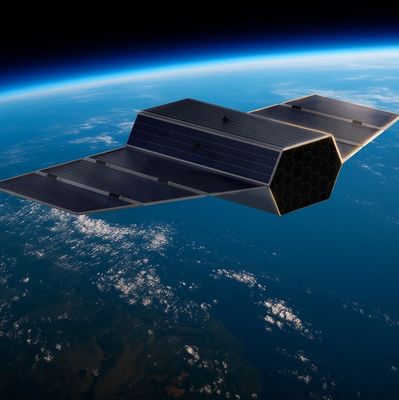
Spanish Startup Wins $9M for VLEO Satellite Tech
Kreios Space raises funding to develop VLEO satellite technology, joining a growing global ecosystem of companies validating the commercial and defense case for sub-250km orbital operations.
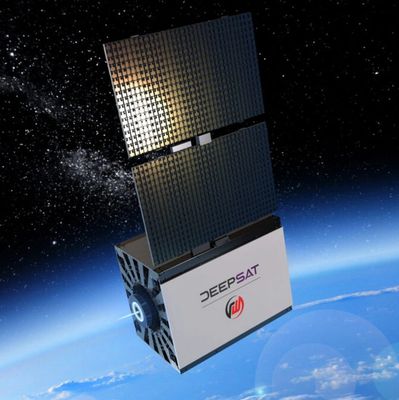
DeepSat Secures USAF $1.25M SBIR for VLEO Constellation
DeepSat wins a US Air Force AFWERX Direct to Phase II SBIR contract to develop a VLEO constellation architecture, further confirming DoD interest in persistent low-altitude space-based intelligence assets.